
Whatsapp: +86 13925897099
Address: No. 17, Chicheng 10th Road, Wanxiang Industrial Park, Yangdong District, Yangjiang City, Guangdong Province, China

3 Easy Ways to Identify a Quality Screw

Start with the Thread to Avoid Low-Quality Products
Stripped screws during furniture installation, broken screws causing equipment downtime, or outdoor screws rusting and losing threads within months—most of these problems are caused by poor-quality screws.
Among all quality indicators, thread design is one of the most critical factors.
Threads directly determine a screw’s holding strength, reliability, and service life.
Here are 3 practical checks buyers can use to quickly identify high-quality screws—especially useful when sourcing from overseas suppliers.
Tip 1: Check Thread Quality
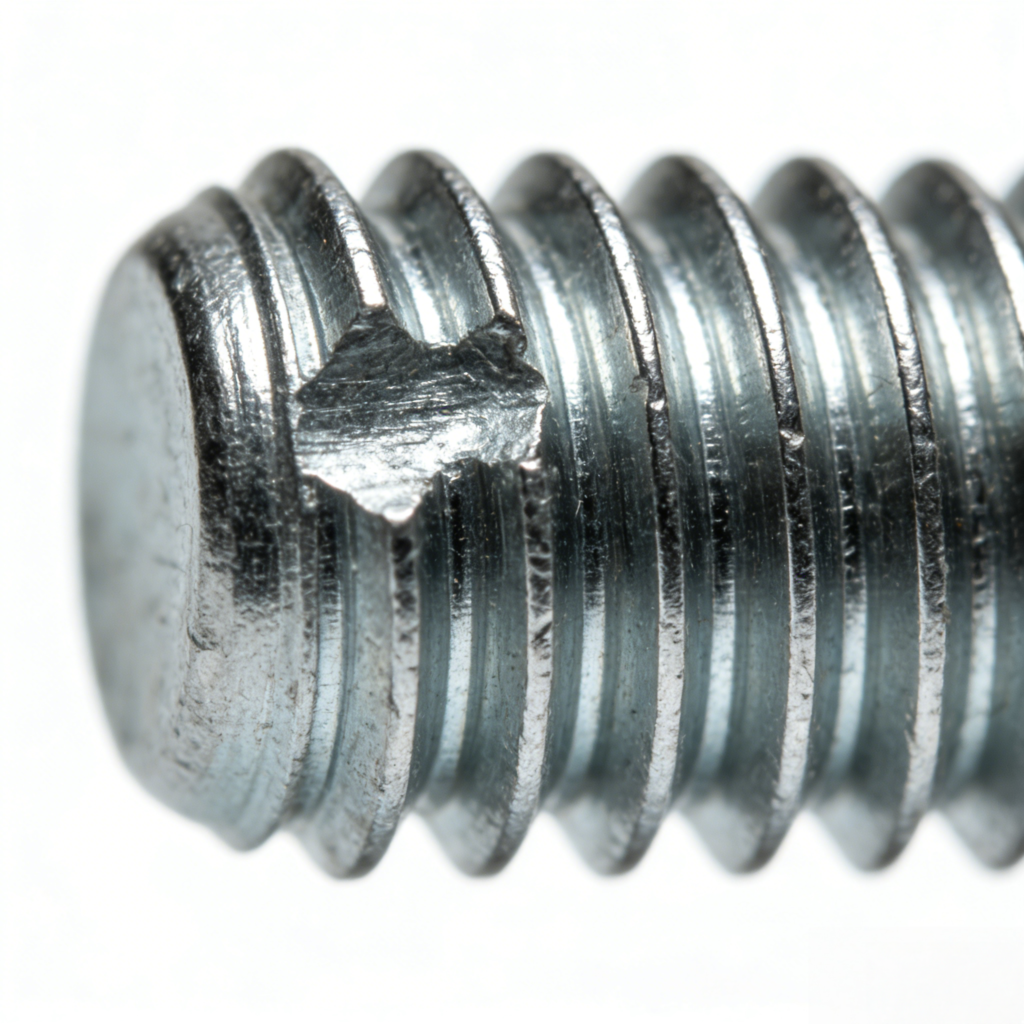
No burrs, Complete threads, and Strong thread root, built to last.
A quality screw—whether it’s a machine screw, self-tapping screw, coarse thread, fine thread, or twin thread—must have clean, complete, and precise threads.
What to look for:
- Smooth thread surface with no burrs or damage
- Continuous threads with no missing or collapsed sections
- Thick, rounded thread roots for better strength
⚠️ Red flag: Sharp edges and heavy burrs usually indicate poor manufacturing precision and increase the risk of thread stripping.

Tip 2: Verify Thread Type and Application Fit
Looks Right Doesn’t Mean It Works
Many low-quality screws use non-standard threads, even if the size label looks correct, leading to poor fastening performance.
Simple buyer check:
- Test with a thread gauge or matching nut
- Proper threads should engage smoothly without forcing
Common applications:
- Coarse threads: faster installation, good for general use
- Fine threads: better vibration resistance and sealing
- Twin thread: faster driving speed with improved holding efficiency
- Thread-forming screws for plastic: designed to form strong internal threads without cracking plastic parts
Choosing the right thread type for the application is just as important as choosing the right size.
Tip 3: Test Thread Engagement
Smooth Driving with Even Resistance
A well-made screw should feel tight but smooth during installation.
How to test:
- Drive the screw into the correct nut or base material at low speed
✅ Quality screws:
- Even resistance
- Smooth installation and removal
❌ Poor-quality screws:
- Loose fit or sudden binding
- Often caused by inaccurate thread profiles

A qualified screw factory conducts rigorous inspections before shipment to ensure quality.
Final Takeaway
Thread Quality Defines Screw Quality
A reliable screw always meets three conditions:
✔ Clean, complete threads
✔ Correct thread type for the application
✔ Smooth, consistent engagement
Avoid ultra-cheap, unbranded screws. Small thread defects can lead to product failure, safety risks, and costly returns.
If you’re unsure, choose suppliers that clearly specify thread type, application, and standards. Use these three checks, and you’ll significantly reduce sourcing risk.