
Whatsapp: +86 13925897099
Address: No. 17, Chicheng 10th Road, Wanxiang Industrial Park, Yangdong District, Yangjiang City, Guangdong Province, China

The Hidden Geometry of Screw Heads: How Unassuming Designs Shape Our World

Have you ever felt frustrated by a stripped screw while assembling furniture? Or struggled to find the right screwdriver when repairing electronic devices? Behind these everyday annoyances lies a critical yet often overlooked design detail—the screw head.
These seemingly simple grooves and protrusions are far from arbitrary. They form a precise “engineering language” that determines how tools transmit force, how much torque can be applied, and ultimately, how reliable a connection will be.
The Core Code: Decoding Drive Systems
Screw head designs fundamentally answer one question: how should the screw be driven? Different recess geometries correspond to different tools, applications, and performance requirements.
1. Phillips vs. Slotted: A Classic Dialogue Between Efficiency and Control
Phillips
The most widely used screw drive type. Its defining feature is a self-centering, tapered recess that allows the screwdriver to naturally align with the screw even with slight angular deviation. This dramatically improves assembly speed on production lines.
However, under excessive torque, the driver is designed to cam out, which can lead to slippage and stripped heads.
Slotted
The oldest and simplest screw drive design. It requires precise alignment and straight-line force, offering very little tolerance for error. Yet this very limitation gives the operator direct tactile feedback, allowing precise torque control and reducing the risk of overtightening. As a result, it is still used in applications demanding extreme control, such as watchmaking and certain aerospace components.


2. Advanced Designs: Engineered for Higher Performance
Hex Socket
The hexagonal recess provides a large contact surface, enabling high torque transmission with minimal risk of cam-out. It is widely used in bicycles, furniture, and compact mechanical assemblies.
Torx
Recognizable by its star-shaped recess, Torx distributes force evenly across six curved lobes, virtually eliminating slippage. Its superior torque efficiency makes it the preferred choice for electronics and critical automotive components such as airbags and braking systems, where absolute reliability is essential.
Pozidrive
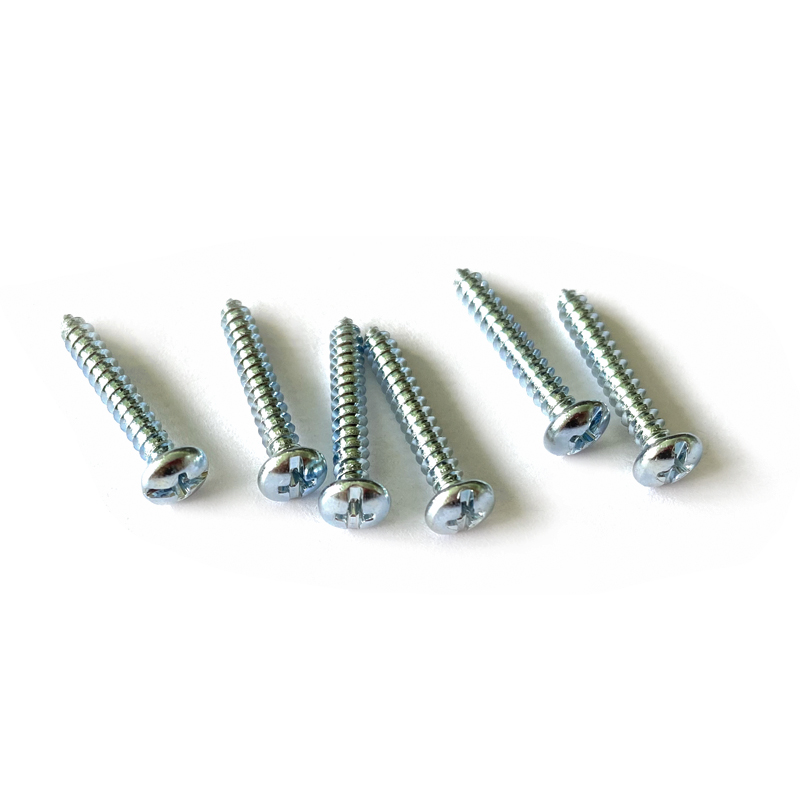
Often mistaken for Phillips, Pozidriv adds fine radial lines between the main cross slots. This design offers improved engagement, higher torque capacity, and reduced cam-out. It is commonly used in European furniture and construction industries.


The Language of Form: Functional Expression Through Head Shape
Beyond the drive type, the external shape of a screw head communicates how the joint should look and perform after assembly.
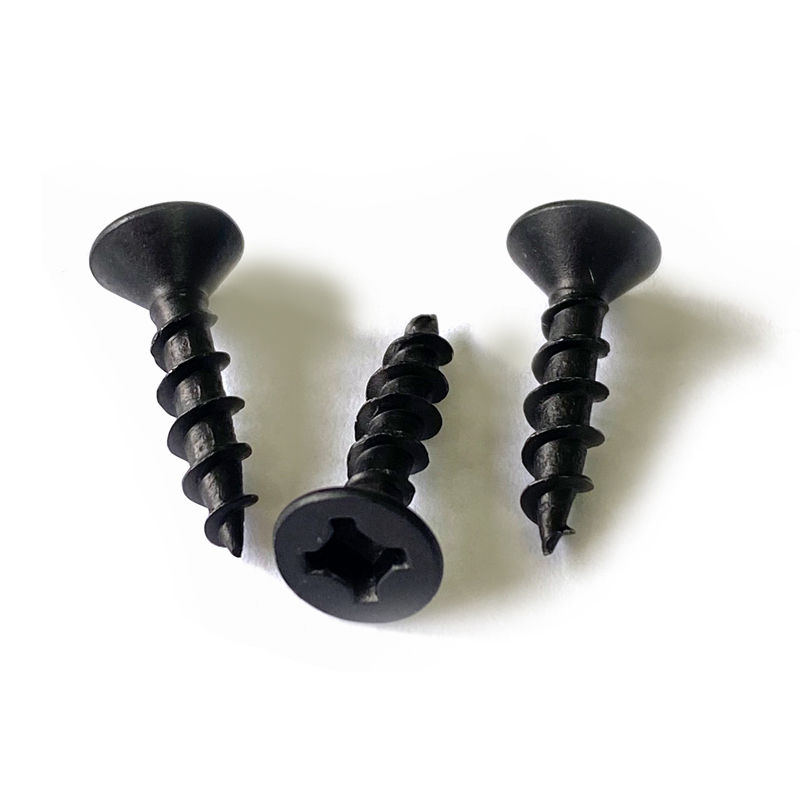
Flat Head
With a conical profile, this head sits flush with the surface when installed, creating a smooth, uninterrupted plane. It is ideal for applications where aerodynamics or aesthetics matter, such as aircraft skins and high-end wooden furniture.
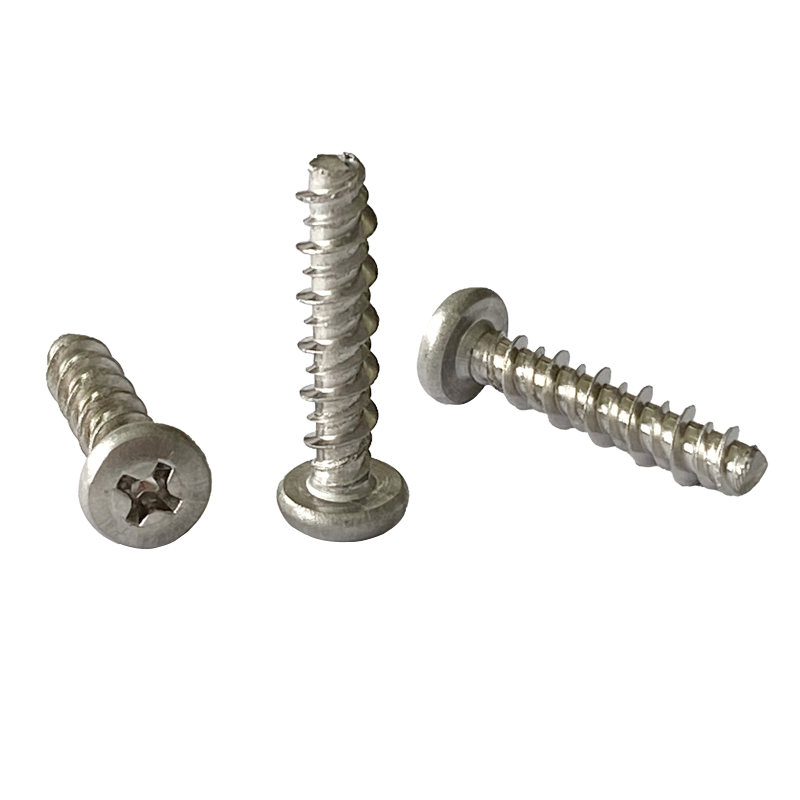
Pan Head
Featuring a domed top and a large bearing surface underneath, these heads help prevent crushing or deformation in softer materials like plastics or thin metal sheets. They are commonly used in appliance housings and sheet metal assemblies.
Hex Head
These heads are designed to be driven by wrenches, sockets, or hex keys. By transferring force laterally rather than axially, they enable extremely high tightening forces, making them indispensable in heavy machinery and steel structures.


Special Missions: Purpose-Built “Specialty Actors”
Engineers have also developed specialized screw heads to meet unique requirements:
Tamper-Resistant Screws
Including one-way slotted, triangular, spanner (snake-eye), and pin-in designs, these screws require special tools that are difficult to obtain. They are used in public facilities and electronic enclosures to prevent unauthorized disassembly.
Convenience Screws
Thumb screws and wing screws are designed for tool-free operation, prioritizing quick installation and removal.
Combination Drives
Such as hex–Torx combination heads, which can be driven by either a hex key or a Torx bit, increasing installation flexibility.
How to Choose the Right Screw Head
- Assembly Space – Is the working area confined? —Choose low-profile heads like hex socket or Torx.
- Torque Requirements – How much tightening force is needed? —High torque applications favor hex socket or Torx.
- Tool Availability – Are specialized tools accessible? —Phillips for general use; tamper-resistant for security.
- Aesthetics & Safety – Should the screw be hidden or protected against removal?
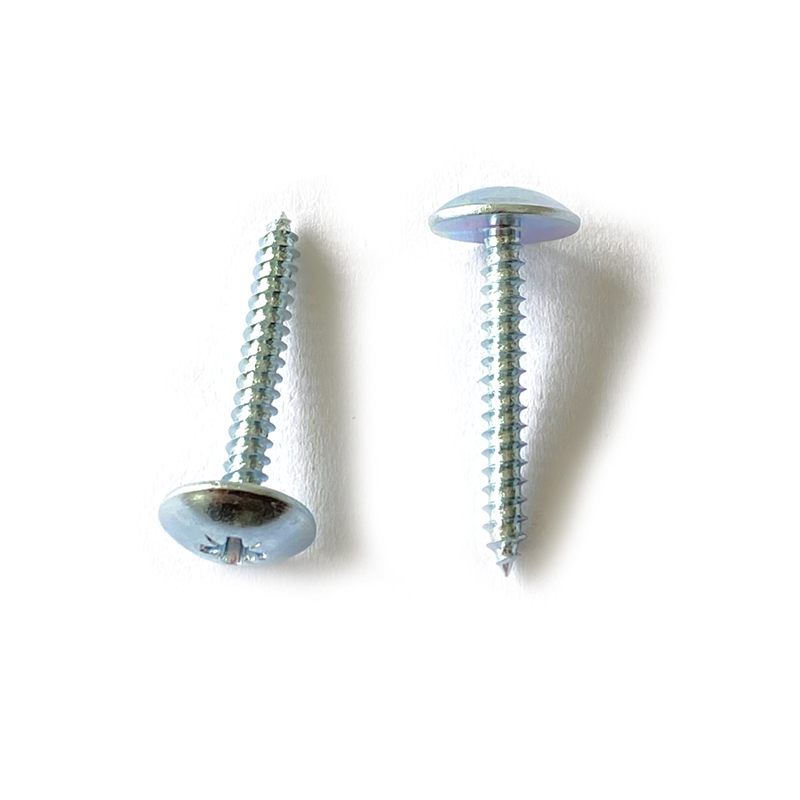
- Material Properties – Is the base material soft? —Use pan heads or washer heads to distribute load.
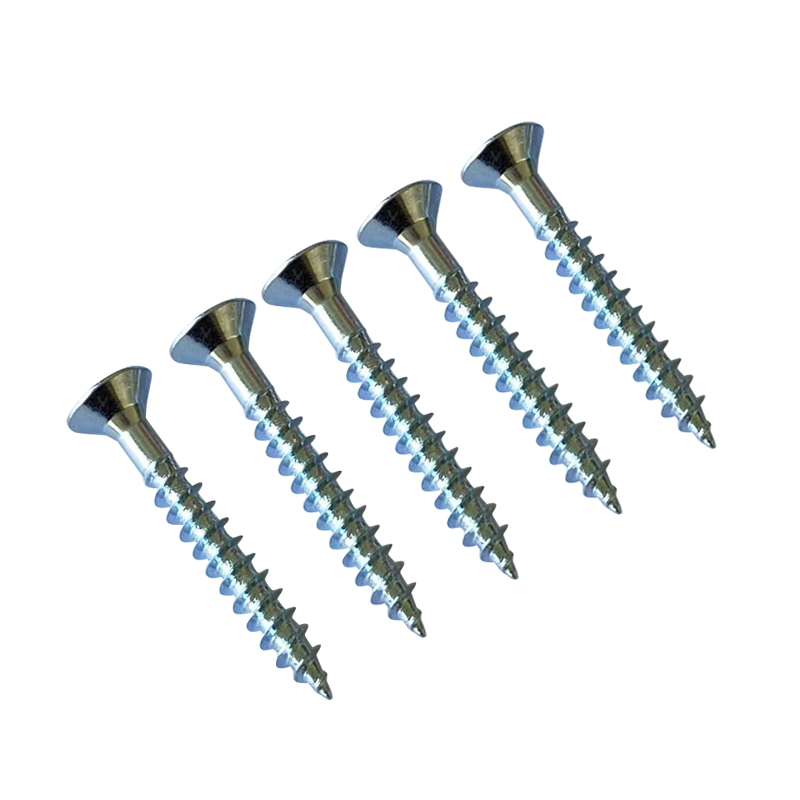
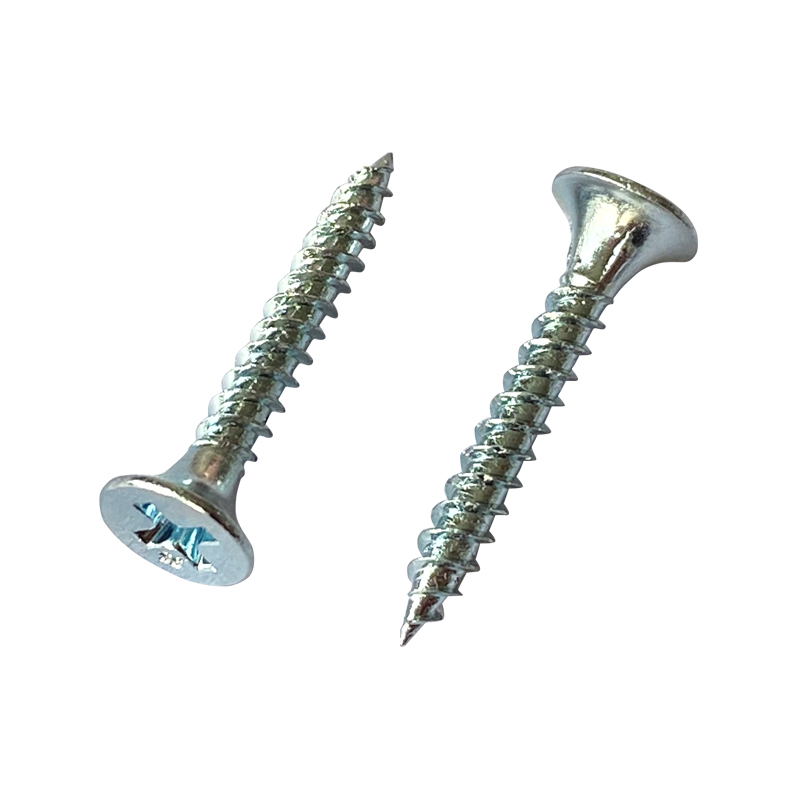
Screw head design—seemingly insignificant—is a crystallization of ergonomics, material mechanics, and manufacturing intelligence. Take a moment to observe the objects around you: your phone, computer, glasses, or furniture. Notice the screws holding them together.You’ll discover that a more refined and disciplined manufacturing world is quietly communicating with us—through these tiny yet critical interfaces.